
Against the backdrop of resource depletion, increasing waste from mass production and consumption, and the growing severity of climate change, the Rengo Group is aiming to promote efficient resource circulation and maximize the ratio of non-fossil resources and recycled materials used in order to realize a sustainable society.
Resource Circulation of Corrugated Packaging
- Corrugated Packaging Recycling Cycle
- Expansion of the Use of Unused Wood Resources
- Reduction of Corrugated Packaging Weight
- Sniffer Dogs
Resource Circulation of Corrugated Packaging
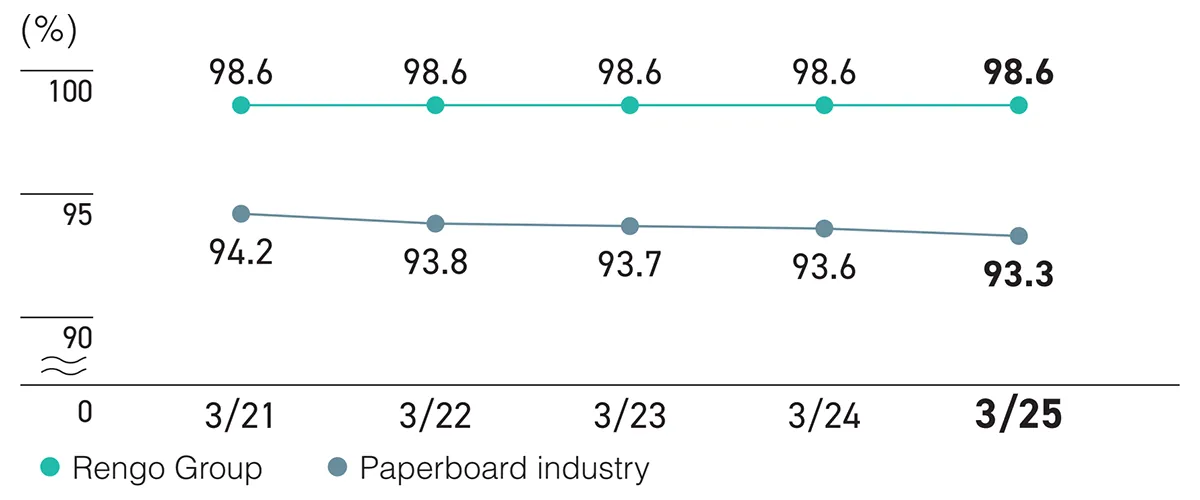
Corrugated packaging is made mostly from recovered paper. Once used, corrugated packaging can be recycled and reborn many times as new corrugated packaging. The Rengo Group has refined its technology for utilizing recovered paper and achieved a utilization rate of 98%. While the remaining 2% consists of pulp to ensure the strength of our corrugated packaging, we are committed to sourcing it sustainably—by utilizing unused wood resources and carefully conserving limited natural materials.
Recovered Paper Utilization Rate in Paperboard Manufacturing*1 (consolidated*2)
- Source: Paper Recycling Promotion Center
- (Notes) 1. Rengo on a non-consolidated basis and consolidated subsidiaries in Japan and overseas
- 2. Industry figures are on a calendar year basis (FY3/2025 corresponds to the year from January to December 2024).
- * Percentage of recovered paper in the raw materials used in all paperboard
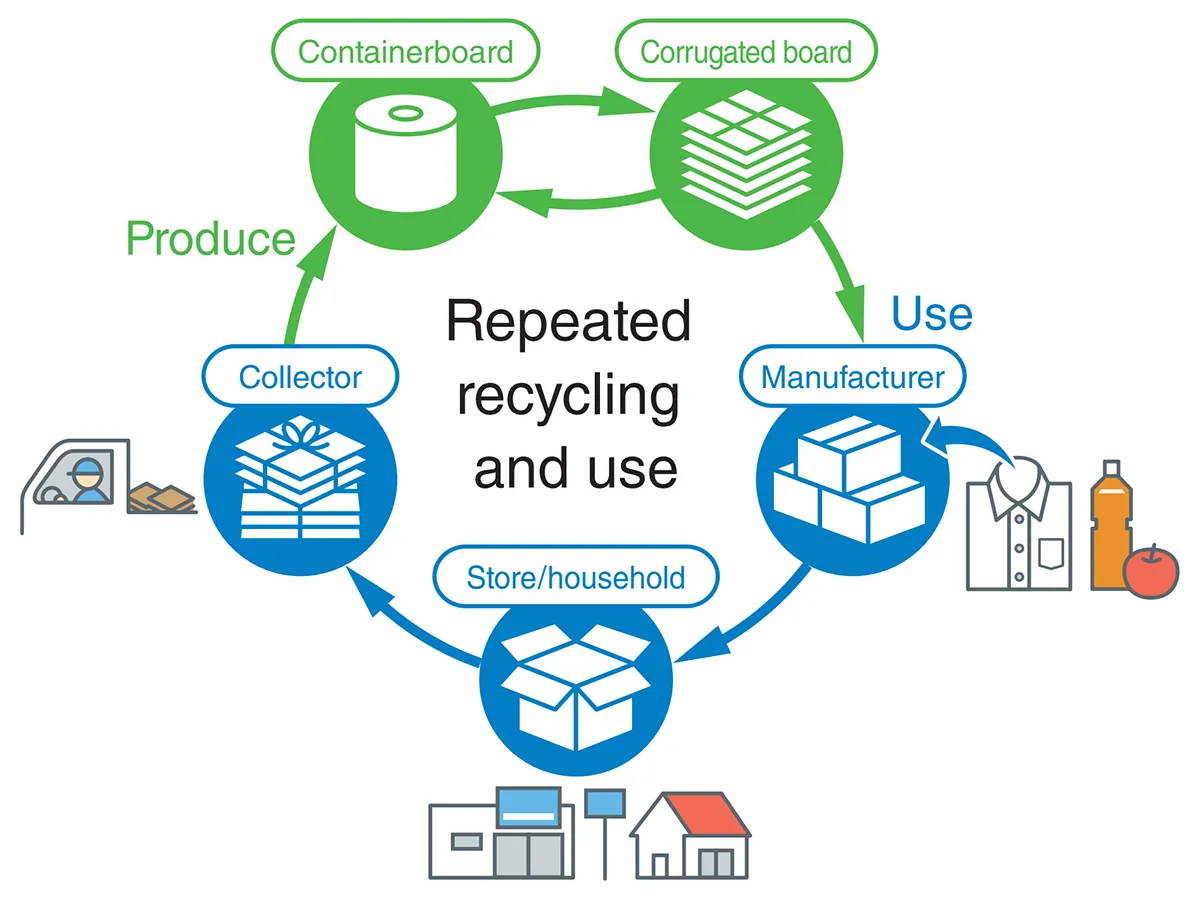
Corrugated Packaging Recycling Cycle
Corrugated packaging is a resource-circulating product supported by a well-established recovered paper collection system and it is 100% recyclable. After safely transporting goods in tailor-made packaging suited to the size and contents of each product, used corrugated packaging is recycled into new boxes, continuing its life as a valuable resource.
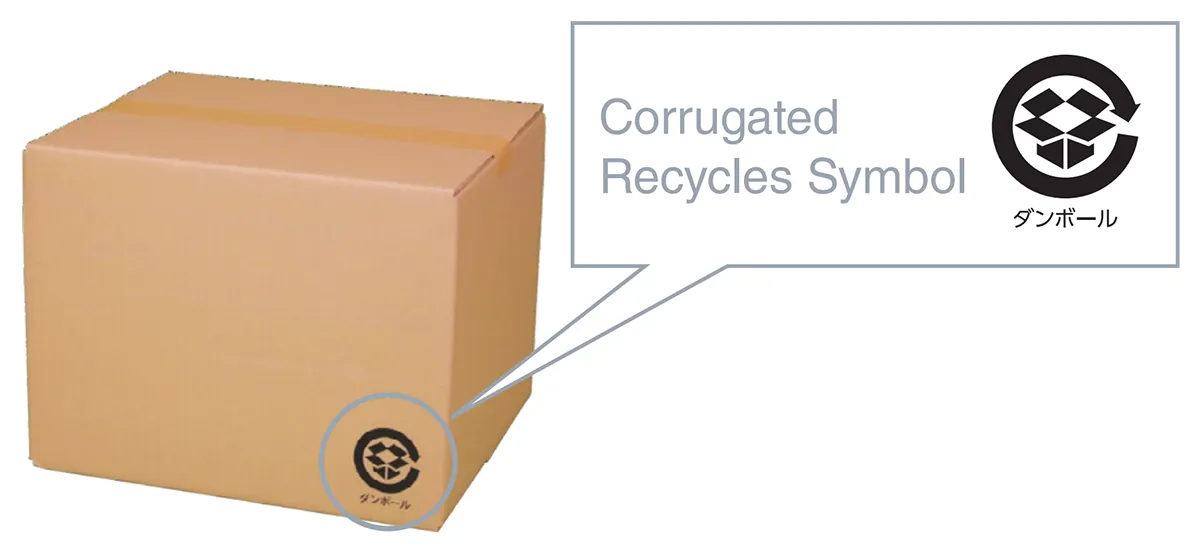
Corrugated Recycles Symbol
Have you ever seen a symbol on a corrugated box with clockwise arrows and an image of corrugated packaging?
This is the Corrugated Recycles symbol established by the International Corrugated Case Association, and it indicates that the corrugated packaging is recyclable.
This mark encourages proper sorting and collection by consumers and municipalities, contributing to improvement of the recycled product quality.
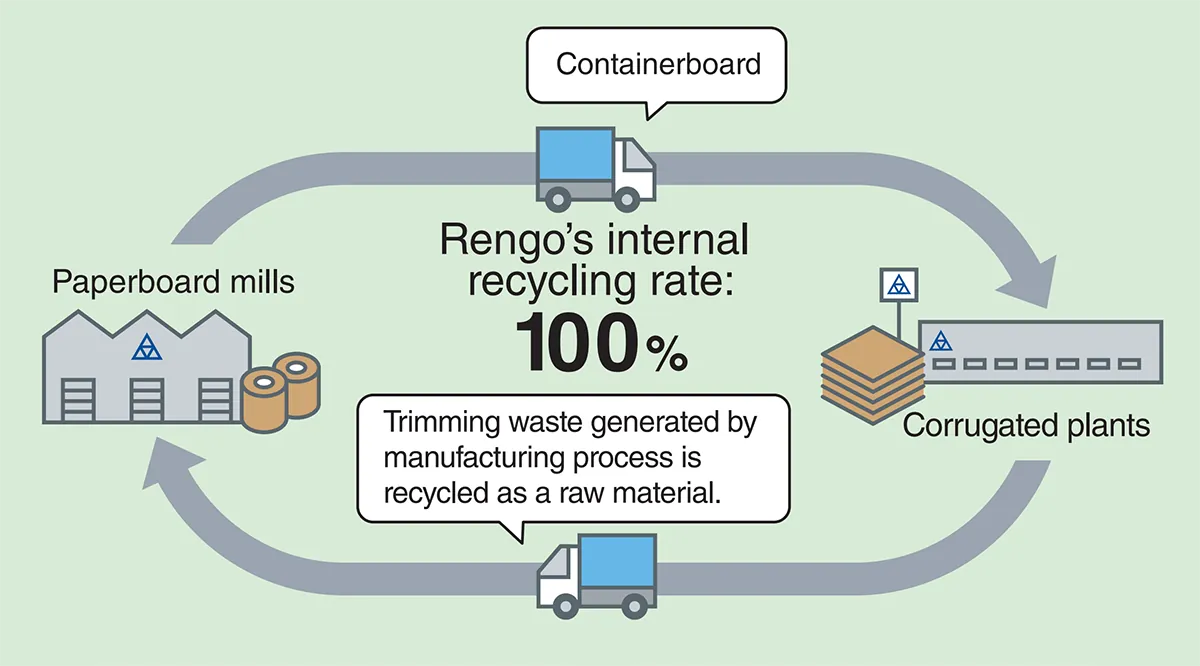
Circulation of Old Corrugated Containers Within Rengo
All trim generated during production at corrugated plants is returned to paper mills on the return trips of trucks that delivered containerboard, where it is reused as raw material for papermaking.
Rengo’s recycling system
Acceptance of Confidential Waste Paper
At Rengo's Yashio Mill, Amagasaki Mill, and Tonegawa Mill, confidential documents that were conventionally incinerated are being utilized as raw material for papermaking. We have introduced dedicated facilities for confidential waste paper, with systems to process documents without opening them, thereby working to prevent information leakage. Each of these plants has acquired ISO 27001, the international standard for information security management, and is implementing appropriate security management.
Expansion of the Use of Unused Wood Resources
The Rengo Group is promoting the use of pulp made from domestic unused wood resources—such as lumber mill residues, forest residues, and waste wood— as raw material for paperboard. These initiatives are being implemented across the entire supply chain, including engagement with suppliers.
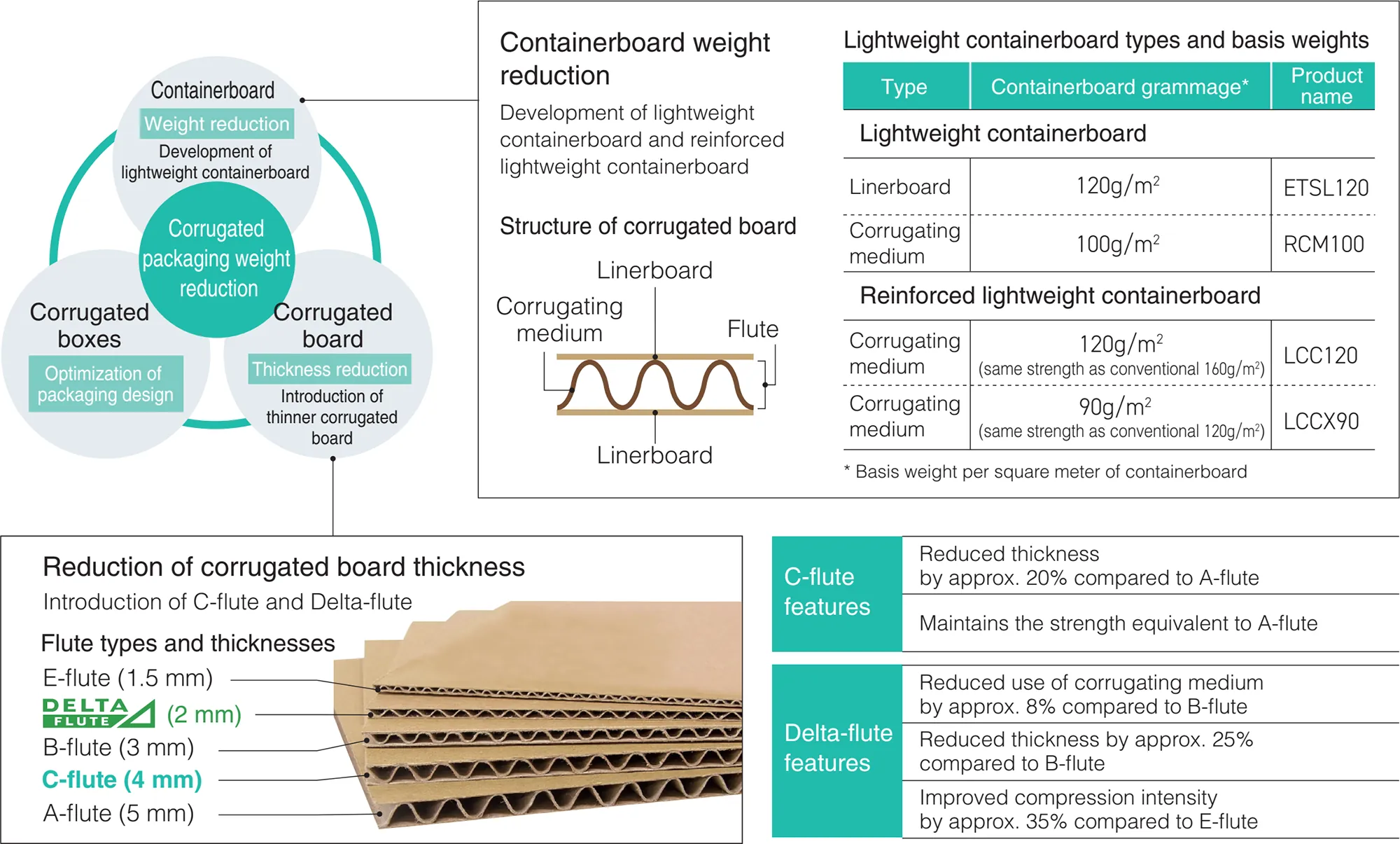
Reduction of Corrugated Packaging Weight
We are working to make our core product, corrugated packaging, lighter. Our aim is to achieve lighter products while maintaining strength and other performance characteristics. Weight reduction contributes not only to reducing the amount of raw materials used but also to improving transportation efficiency, thereby reducing environmental impact across the entire supply chain.
Three pillars of corrugated packaging weight reduction
Sniffer Dogs
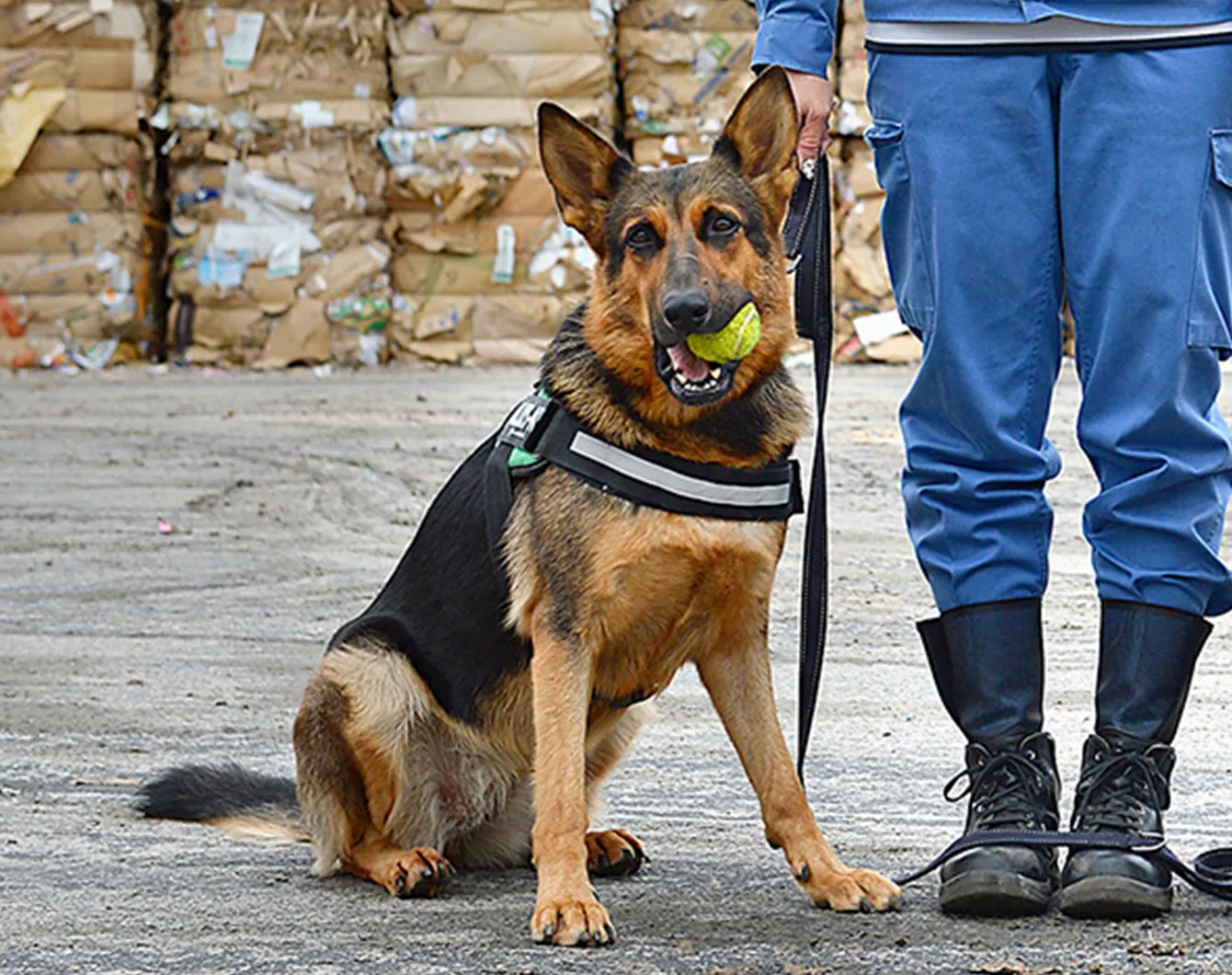
Since June 2014, Rengo has introduced sniffer dogs to strengthen initiatives to prevent contamination of recovered paper with odors. Since we began using odor detection, the number of cases involving odor-tainted recovered paper has significantly decreased, along with a steady decline in product issues. In addition to preventing problems, the sniffer dogs also help create a friendly and relaxed atmosphere in the mills. Currently, the sniffer dogs are actively working at the Tonegawa Mill and Yashio Mill. They are loved by everyone and continue their energetic work every day.
Resource Circulation of Plastics
System Development within the Group
The Rengo Group is promoting plastic resource circulation through initiatives based on "Reduce," "Recycle," and "Renewable." For plastic packaging that uses multiple materials, we are shifting toward single-material (monomaterial) packaging and developing products that are easier to recycle. In addition, we are focusing on the development of recycling technologies and strengthening resource circulation.
Expansion of Environmentally Friendly Plastic Products
As part of strengthening our integrated operations in the flexible packaging business, the Rengo Group is expanding its product lineup and promoting environmentally friendly plastic products.
These include our Group's films, sheets, and packaging materials that use biomass or recycled plastics, or that are composed of monomaterial (single-material) structures. Through these efforts, we are actively addressing the environmental challenges associated with plastic products.
Reduction of Waste Plastic Generation and Recycling
Under the basic philosophy of the Rengo Group Environmental Charter, and through the long-term Rengo Group Environment Action 2050 and the medium-term Eco Challenge 2030 (to be achieved by FY2030) , Rengo is also actively promoting plastic resource circulation initiatives.
As an initiative based on the Plastic Resource Circulation Act, we are working to reduce waste plastic generation and promote recycling (including thermal recycling). More than 90% of the waste plastic generated from our operations comes from plastics contained in recovered paper used as raw materials. We are making effective use of this waste plastic and aiming for a recycling rate of 100% by FY3/2031.
Response to the Plastic Resource Circulation Act
Plastic Recycling
Participation in R Plus Japan
Efficient Use of Water Resources
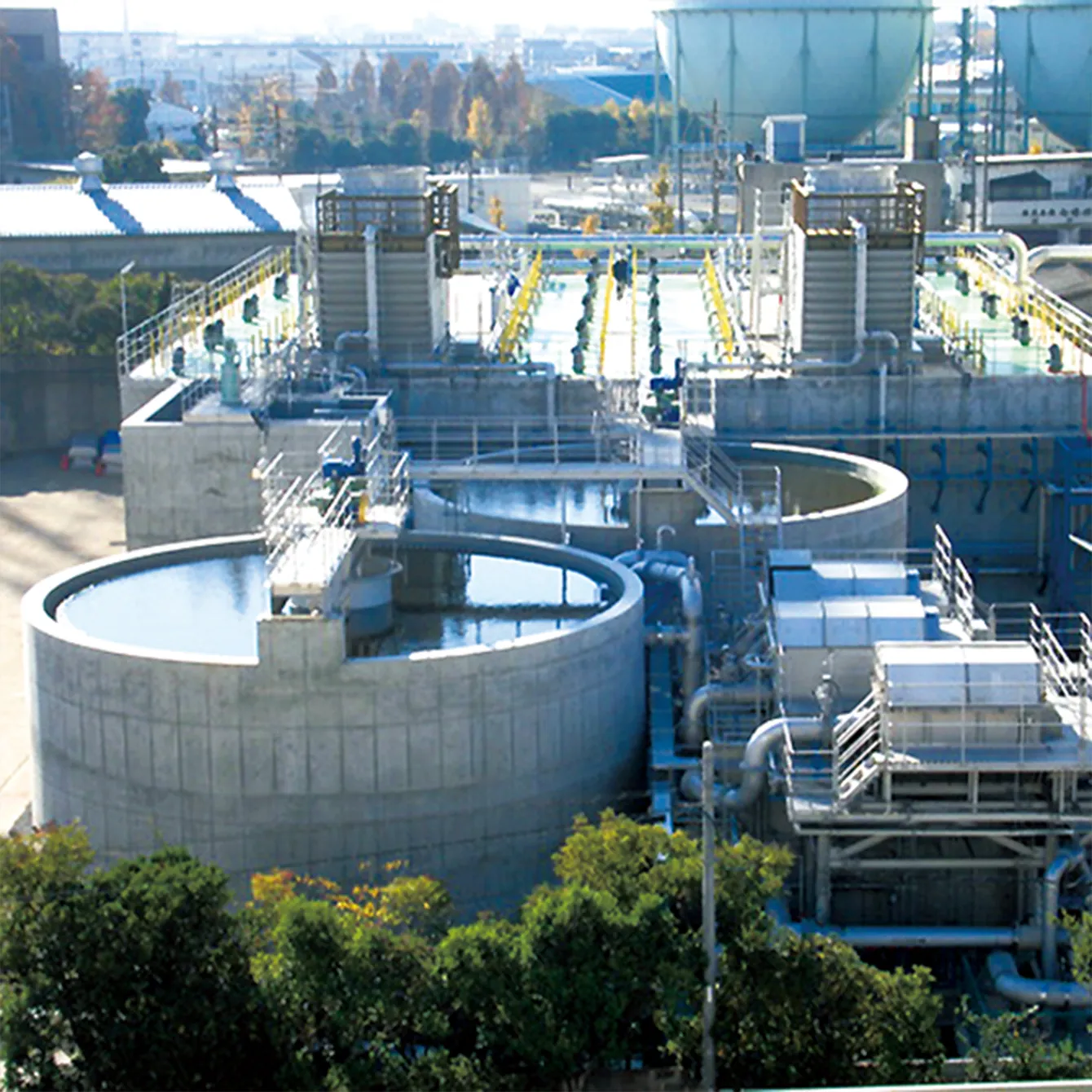
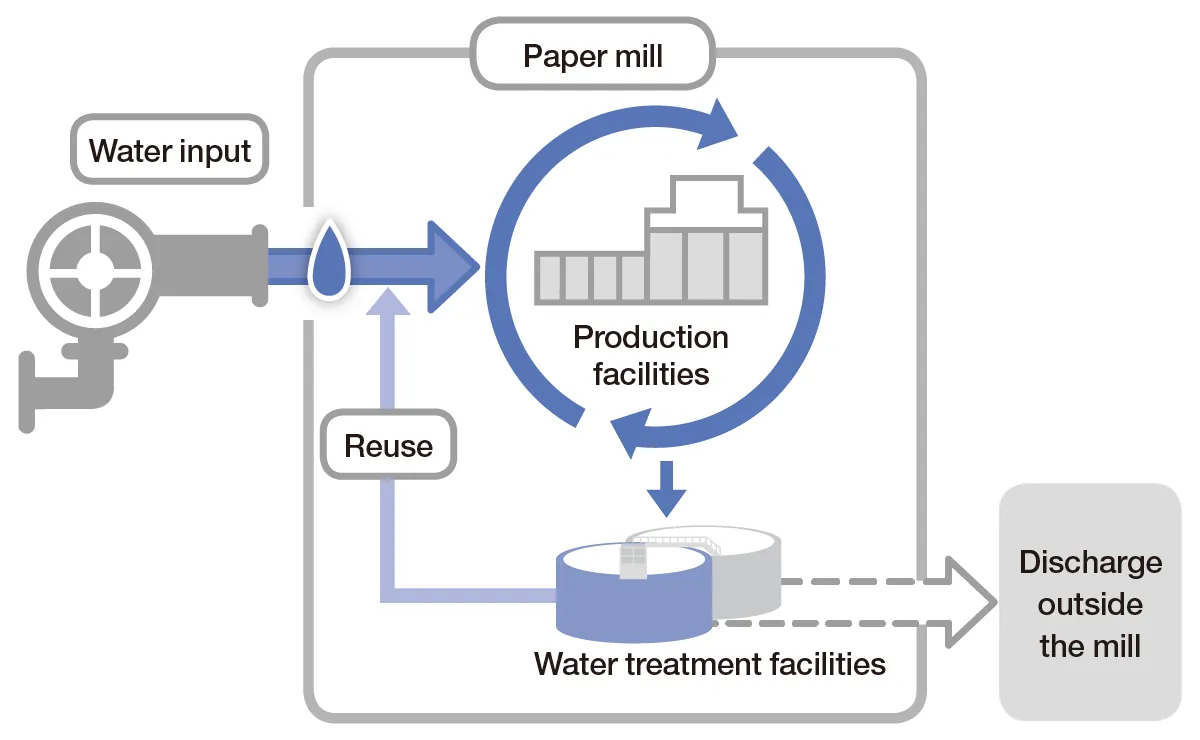
The water used at each of the Group's sites is sourced from tap water, industrial water, groundwater, and nearby rivers. In order to conserve limited water resources and use them efficiently, we are working not only to reduce overall water usage but also to reduce the water usage per unit of production*.
*Water usage divided by net sales
Flow Diagram of Internal Circulation
Total Water Intake and Water Resource Ratios by Type (consolidated*)
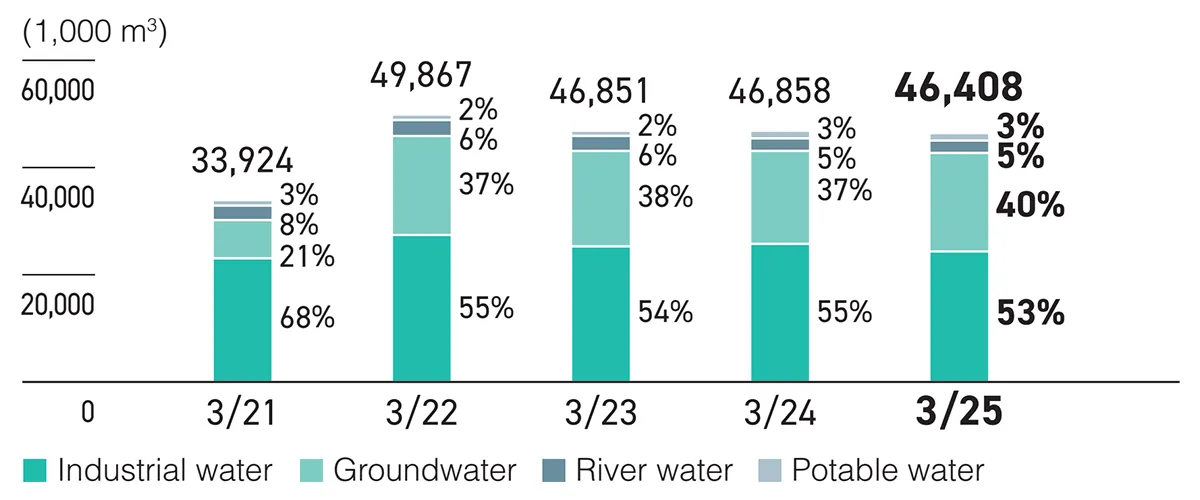
- (Note)Rengo on a non-consolidated basis and manufacturing sites of consolidated subsidiaries in Japan and overseas (excluding second-tier subsidiaries for FY3/2021 to FY3/2023)