On Earth, many different living things coexist while maintaining balance with the natural environment, and the abundance of biodiversity supports our lives and business activities. In order to conserve this rich biodiversity and help create a society that lives in harmony with nature so that these benefits can be enjoyed for generations to come, the Rengo Group aims to minimize the negative impact of its business activities on natural capital.
Conservation of the Natural Environment
Our Relationship with Natural Capital
In order to understand the relationship between our business activities and nature and to promote initiatives for the conservation of natural capital, we are conducting analyses and evaluations in line with the LEAP approach recommended by the TNFD. Using the environmental impact analysis tool ENCORE*, we analyzed dependencies on and impacts upon nature across our Group's businesses, covering raw material procurement, product manufacturing, and transportation. In addition, we have organized initiatives for the conservation of natural capital with a focus on our core businesses related to paperboard and paper processing.
*A nature-related risk analysis tool developed by the Natural Capital Finance Alliance (NCFA) jointly with the UN Environment Programme World Conservation Monitoring Centre (UNEP-WCMC)
Overview of LEAP approach and current status of initiatives

*Created by Rengo based on TNFD's LEAP approach
Results of ENCORE-based analysis across all businesses
Heatmaps of Dependencies and Impacts on Natural Capital
Initiatives for the conservation of natural capital in paperboard and paper processing-related businesses
Rengo Group Natural Capital Conservation Initiatives
FSC® Forest Certification
To ensure that wood pulp is procured appropriately and to purchase properly managed wood raw materials, we utilize the FSC forest certification system and also strive to promote the use of FSC-certified products. All of our products that use wood pulp as a raw material have obtained FSC forest certification (CoC certification) and can be supplied as FSC-certified products.
- *FSC forest certification is an international certification system that verifies the appropriate processing and distribution of wood harvested from properly managed forests and recycled resources.
- *FSC®C119241, FSC®C126809
Management and Utilization of Nationally Certified Sustainably Managed Natural Sites
Biotope management
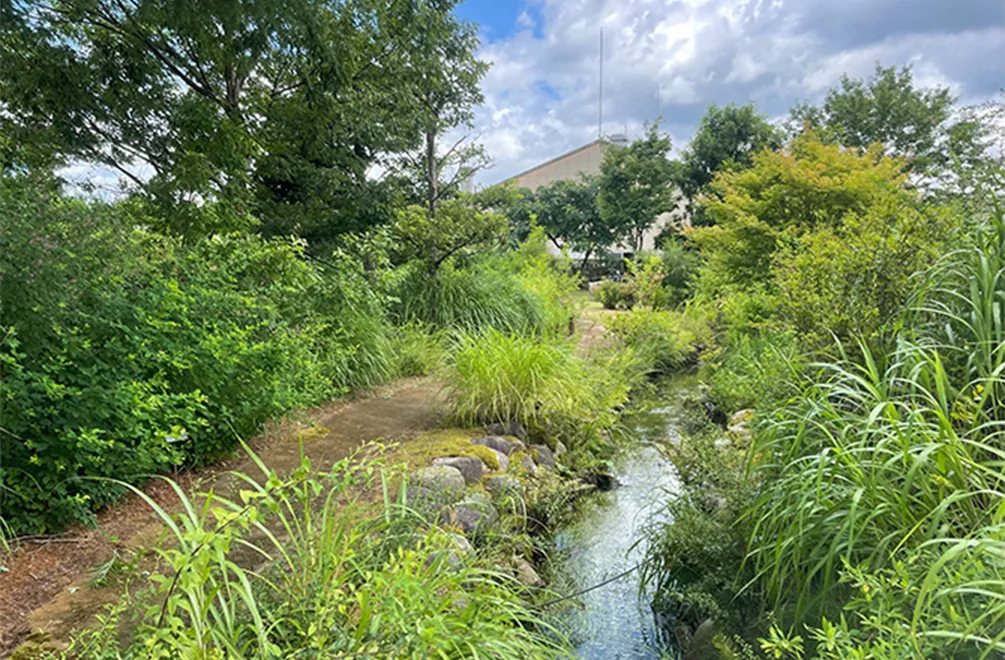
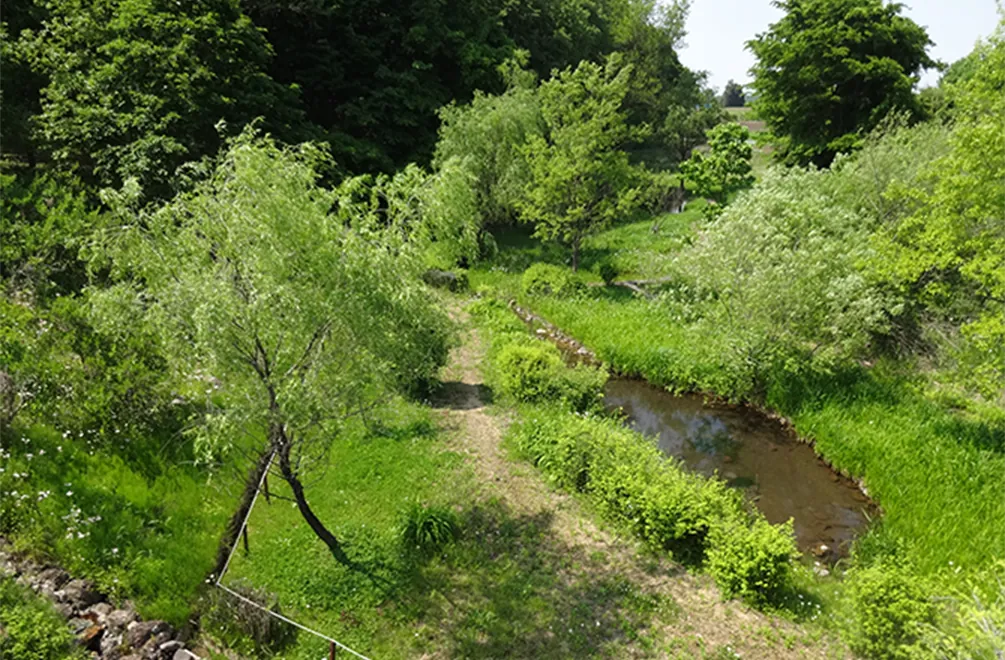
At the Rengo Group's divisions and plants/mills, we conduct our business activities in close connection with local communities and local environments. We have created biotopes on the premises of our Fukushima-Yabuki Plant and Takefu Plant, which are located in areas rich in natural surroundings such as spring water, protected forests, and endemic flora and fauna. In these biotopes, we have been conducting continuous monitoring surveys for over 10 years to track the number and variety of species. Both sites have been certified by Japan's Ministry of the Environment as Nationally Certified Sustainably Managed Natural Sites*.
*Refers to areas where biodiversity is being conserved through private sector efforts, a certification system launched by the Ministry of the Environment from FY2023.
Marine Environment Conservation
The ocean is a well-balanced ecosystem formed by diverse living organisms. However, human activities are threatening this balance. It is predicted that by 2050, the volume of marine plastic waste will exceed the total weight of fish, and along the coasts of Japan, ocean desertification caused by the decline of seaweed beds is becoming increasingly serious. To help restore seaweed beds and protect the marine environment, we are undertaking initiatives that leverage our long-cultivated corrugated packaging technologies as well as cellulose products that are biodegradable in marine environments.
Development of Materials for Seaweed Bed Restoration
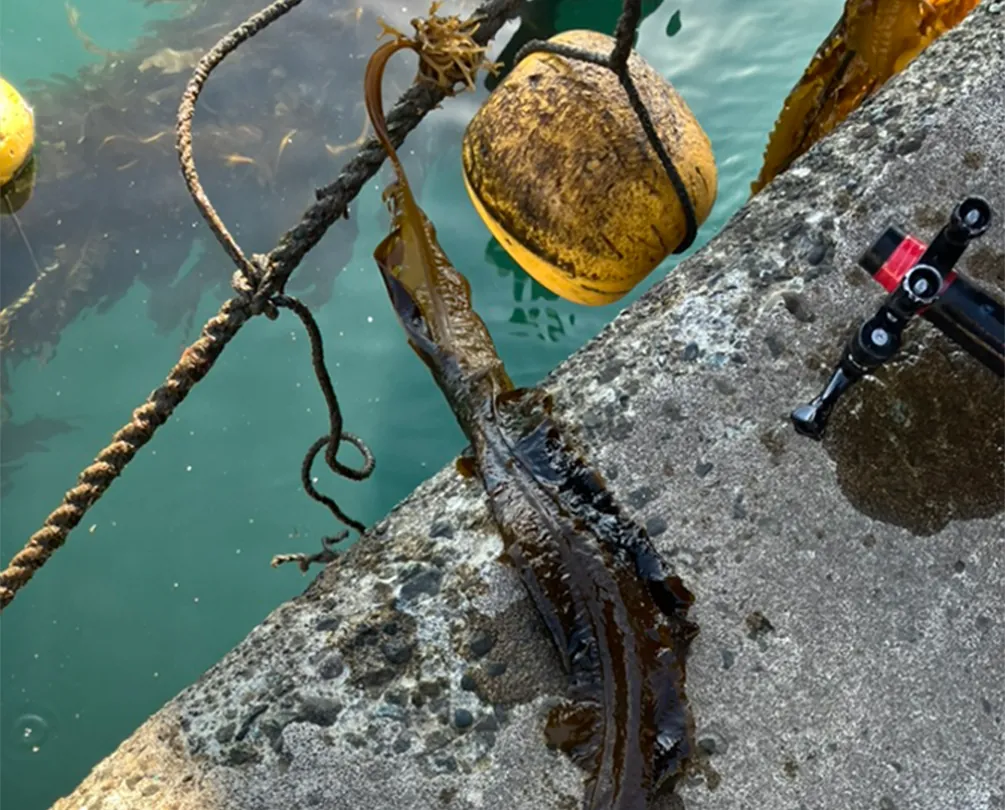
We are engaged in initiatives that contribute to the restoration of seaweed beds, which play an essential role in supporting marine biodiversity, by utilizing cellulose products that have obtained marine biodegradability certification.
For example, petroleum-based seed strings are currently used in seaweed cultivation, but issues such as the effort required for recovery and the generation of microplastics have been identified. In response, we are developing new materials that maintain strength until seaweed becomes established and are ultimately biodegradable in the ocean, including seed strings and combinations with marine biodegradable plastics.
Development of Water Resistant and Insulated Corrugated Packaging
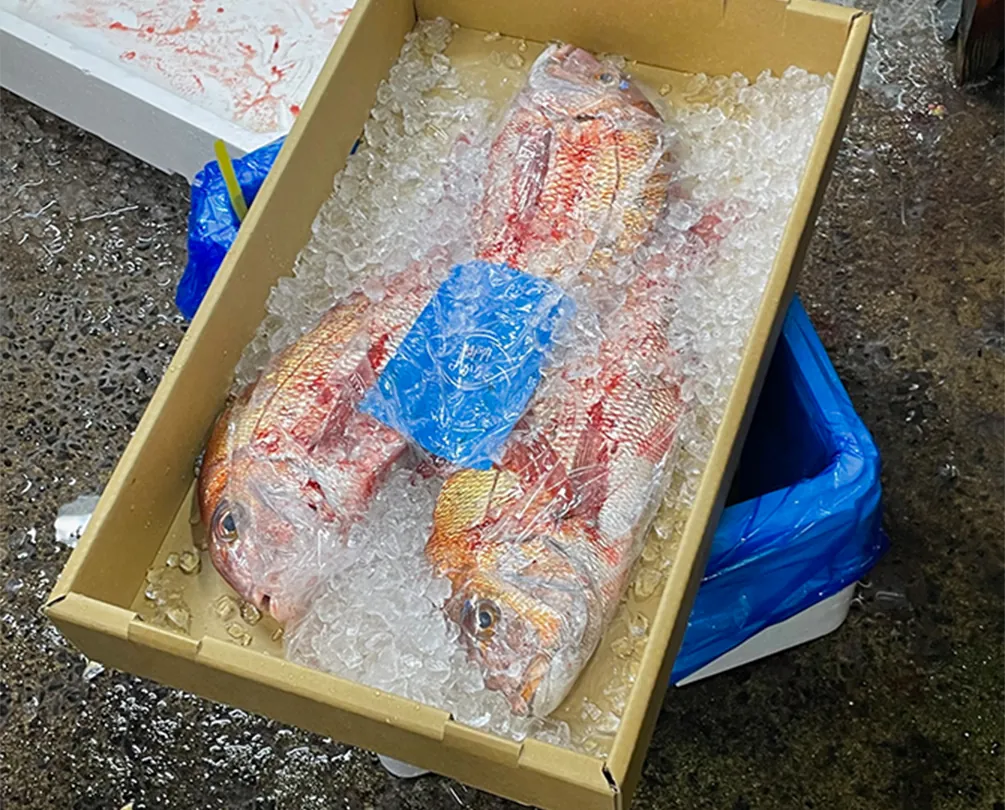
Expanded polystyrene boxes are widely used for the distribution of fresh fish and seafood. While convenient, they present challenges in terms of appropriate disposal after use at retail stores and in households. In some regions of the United States, the use of disposable expanded plastic containers is prohibited. In addition, some major retailers are voluntarily seeking alternatives that do not use expanded polystyrene.
As one option to address these challenges, we are developing corrugated board with water resistance and insulation performance comparable to that of expanded polystyrene boxes.
Reduction of Marine Microplastics
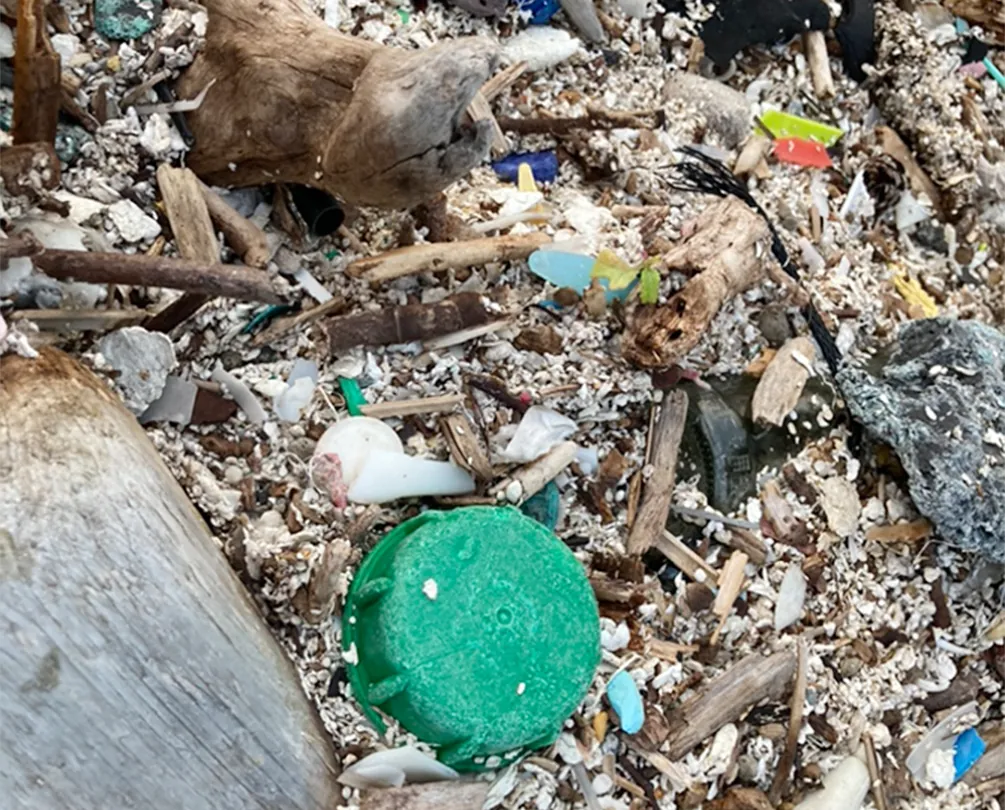
Marine microplastics are classified into secondary microplastics generated by the fragmentation of plastic products and primary microplastics that are originally microscopic. These particles are known to concentrate harmful substances discharged into the ocean and pose risks of adverse effects on human health through the food chain.
The spherical cellulose beads (Viscopearl®) developed by Rengo have obtained marine biodegradability certification and are already used in many products as an alternative material to microscopic plastic particles found in cosmetics and other applications. We will continue to promote their use across a wider range of fields.
Prevention of environmental accidents and pollution
Response to Environmental Accidents
We strive to prevent environmental accidents before they occur through early detection of abnormalities via routine inspections and self-checks, as well as through emergency response drills that assume scenarios such as leaks of oil or chemicals. In the event that an environmental accident does occur, we work to prevent recurrence of similar incidents by promptly sharing information within the Group and sharing lessons learned across operations.
Handling of Environmental Laws and Regulations and Environmental Accidents
Pollution Prevention
Prevention of Air Pollution
By thoroughly controlling boiler combustion temperatures and appropriately managing incinerators, we reduce air pollutants such as NOx (nitrogen oxides), SOx (sulfur oxides), and particulate matter to levels well below regulatory limits. We also focus on reducing VOC (volatile organic compound) emissions generated during the printing and processing of paperboard and films. In cooperation with suppliers, we are actively promoting the switch to low-VOC solvents and non-VOC inks.
Prevention of Water Pollution
We treat wastewater through purification processes such as dissolved air flotation, microbial decomposition, and sedimentation separation, and discharge effluent into rivers and sewer systems at water quality levels below regulatory standards. We have established strict internal standards and ensure thorough management through regular measurements.
Prevention of Soil Contamination
At business sites and plants that operate facilities handling hazardous substances, we work to prevent soil contamination caused by leaks through regular inspections and maintenance of equipment and surrounding floor areas.
Chemical Substance Management
Reduction of Emissions and Transfers of PRTR Substances
In accordance with the PRTR Act (Act on Confirmation, etc. of Release Amounts of Specific Chemical Substances in the Environment and Promotion of Improvements to the Management Thereof), we monitor emissions and transfers of PRTR designated substances and are advancing initiatives to reduce emissions, including the enhancement of gas scrubbing equipment for gases discharged during manufacturing processes.
Response to PCB
The Rengo Group completed the disposal of high-concentration PCB waste in FY2020. However, as there remains a possibility that undiscovered ballasts still exist, we continue excavation and investigation efforts. Equipment that may contain low-concentration PCB is analyzed prior to disposal and treated appropriately.
Response to Asbestos
Asbestos has historically been used in insulation materials and building materials. At Rengo, we have completed surveys of usage conditions, and friable asbestos has been removed or encapsulated. For non-friable asbestos, we are advancing efforts to identify usage conditions so that it can be properly handled at the time of demolition.
Waste Reduction
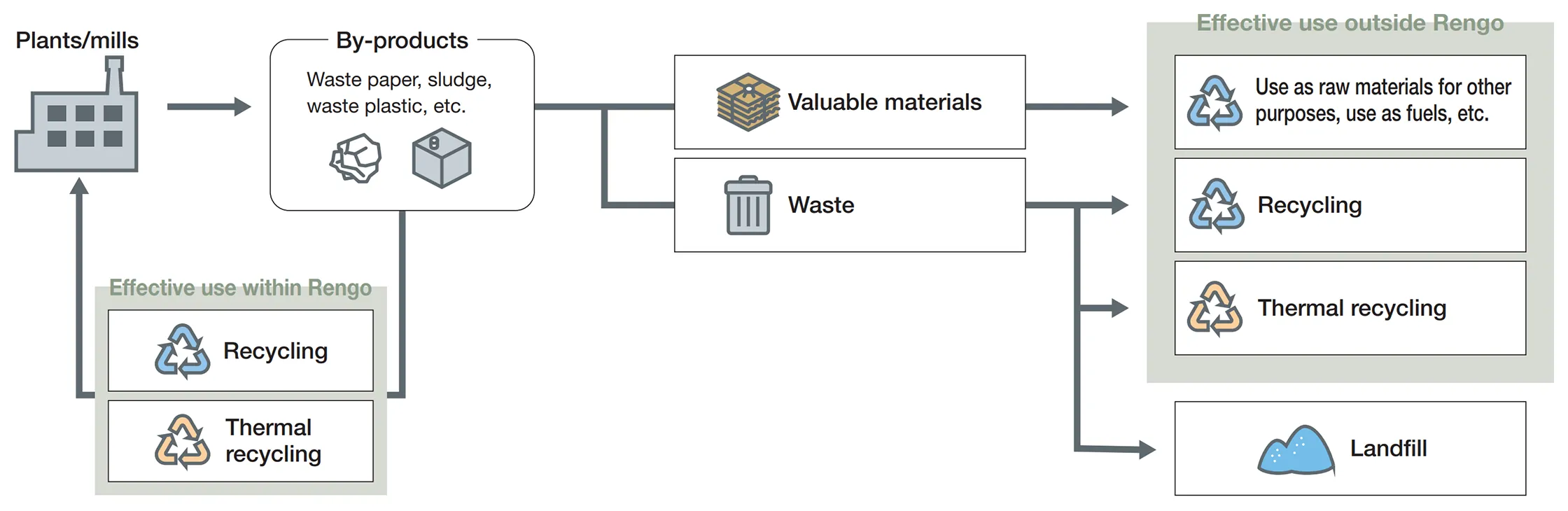
We work to reduce waste generation and promote effective utilization by recycling and reusing waste and by products generated in manufacturing processes. When outsourcing waste treatment, we also select processing contractors that enable recycling whenever possible.
Final Disposal and Effective Utilization Rate
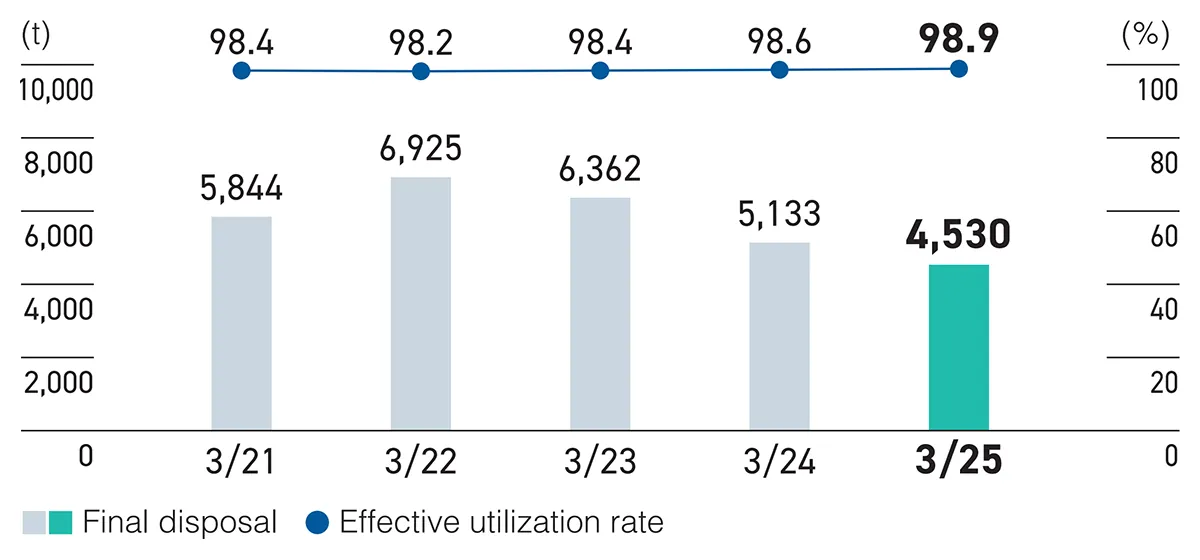
(note) Scope: Rengo on a non-consolidated basis and consolidated subsidiaries in Japan (excluding second-tier subsidiaries for FY3/2021 to FY3/2024)
Waste Disposal Process