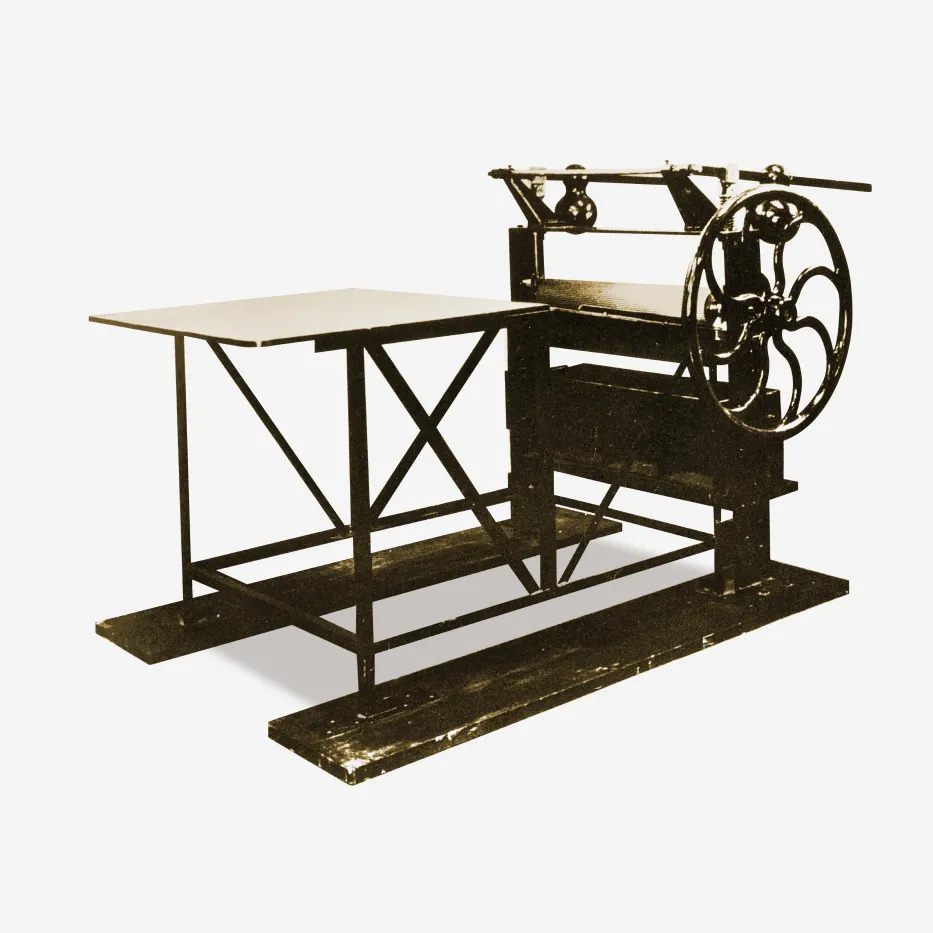
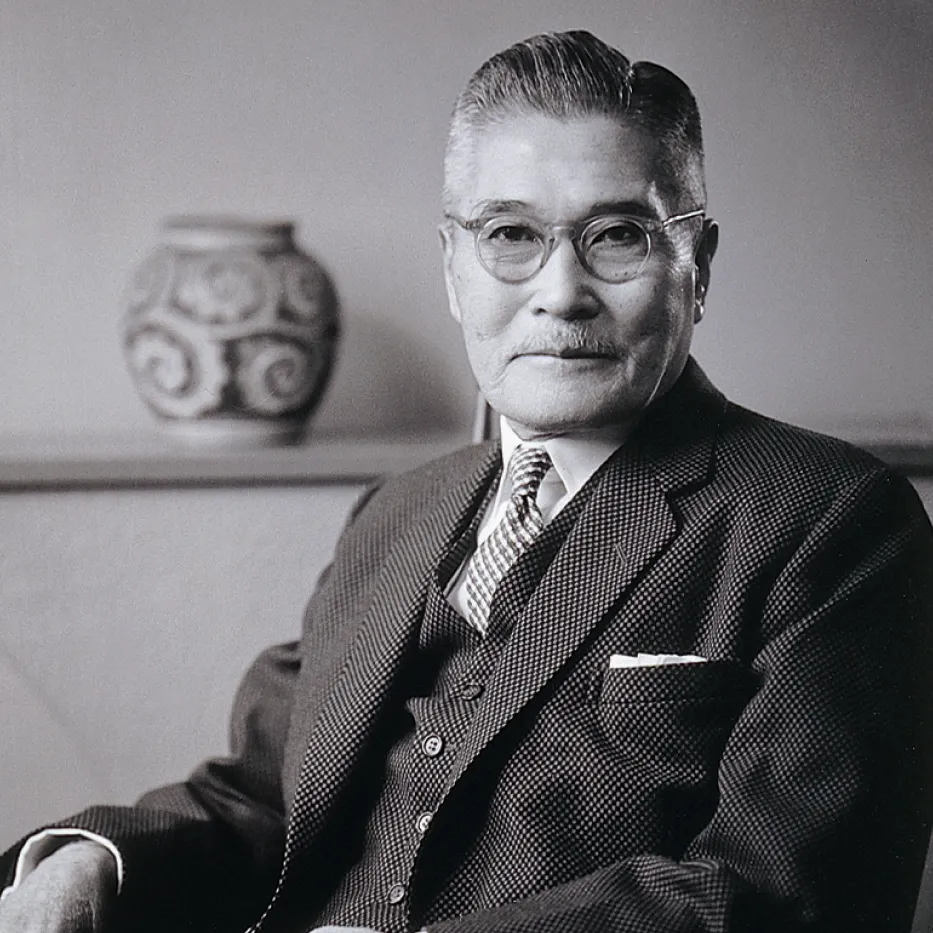
-
1909
Teijiro Inoue makes Japan's first corrugated board
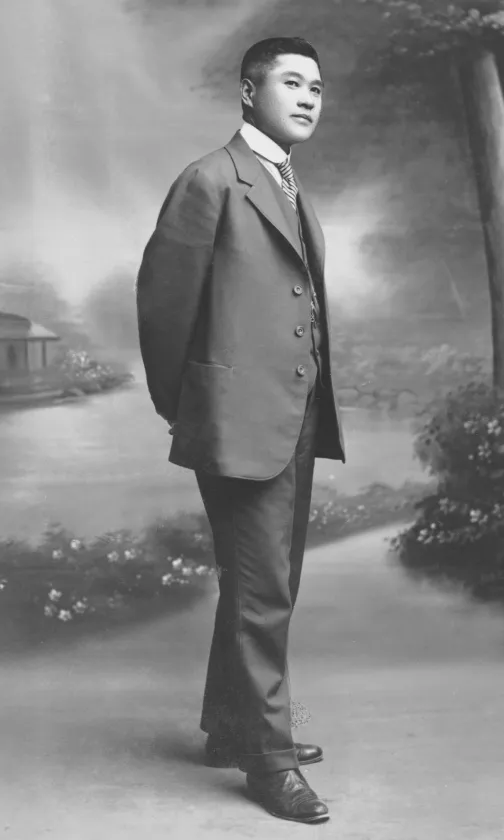
Founder: Teijiro Inoue - Teijiro Inoue made up his mind to become an independent self-employed businessman (and later made April 12, the day of his decision, the company's Foundation Day)
- Established Sanseisha in Shinagawa, Tokyo, and launched Japan's first corrugated board business
- Produced single-faced corrugated board and named it danboru
- Imported a German-made roll-type corrugator
- Began manufacturing corrugated boxes.
Japan/World
- World War I
- Establishment of various new industrial facilities
-
1920
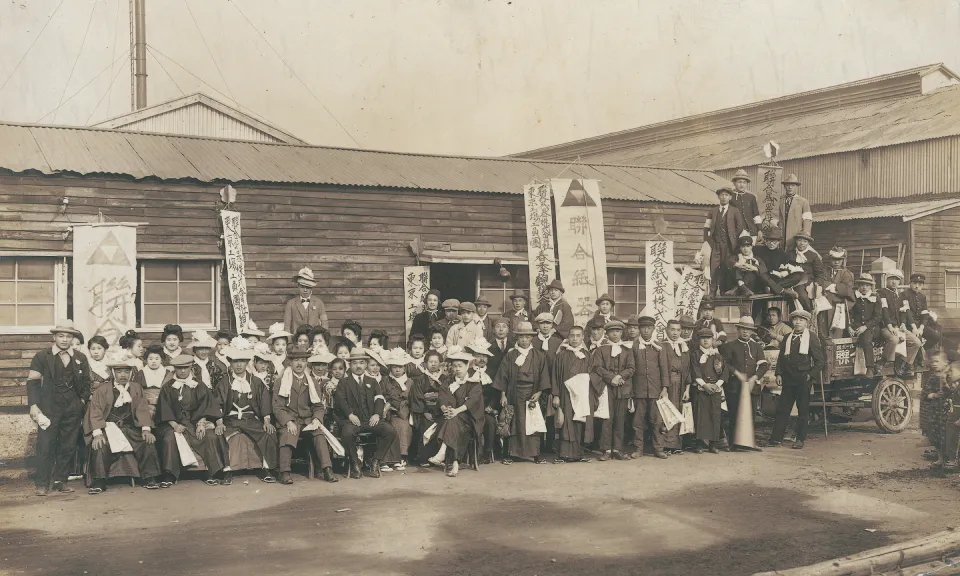
1924 Foundation Ceremony - Five companies merged to form Rengo Shiki K.K., capitalized at ¥2 million
- Acquired Nippon Seishi and renamed it the Chifune Plant
- The head office, Tokyo Plant and other facilities were destroyed by fire after the earthquake, and the head office was relocated to Osaka
- Began sale of applied products (larval silkworm raising boxes and clothing boxes)
Japan/World
- Great Kanto Earthquake
- Taisho Democracy
-
1930
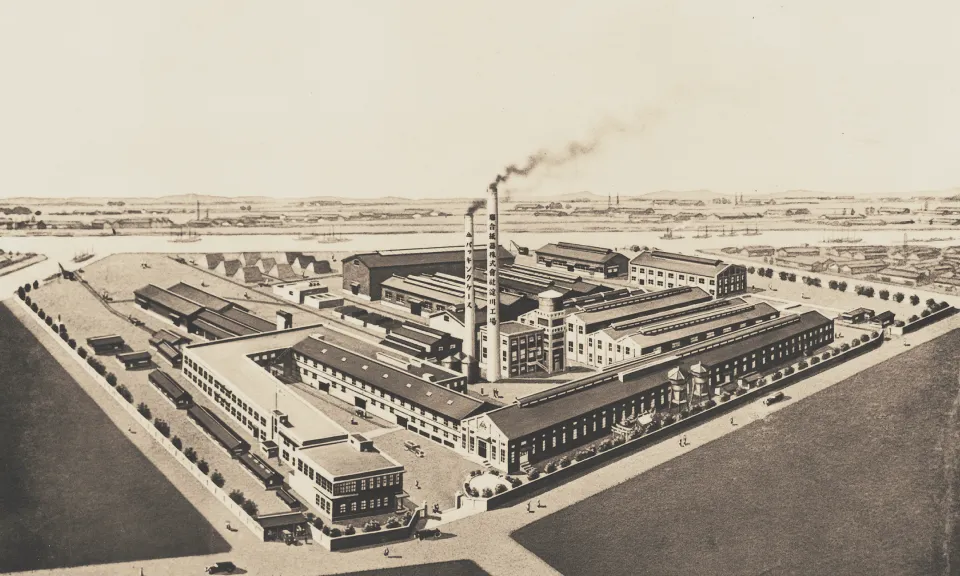
Yodogawa Plant in 1938 - Completed construction of the Yodogawa Plant, which employed an integrated production system, from containerboard to corrugated board
- Met a wider range of demand that included home appliances, canned foods, bottled beer, ceramics, and clothing
- Established new plants and subsidiaries in Korea, Taiwan and China
Japan/World
- Showa Financial Crisis
- Expansion of exports
- February 26 Incident
- World War II
-
1940
From wooden boxes to corrugated packaging
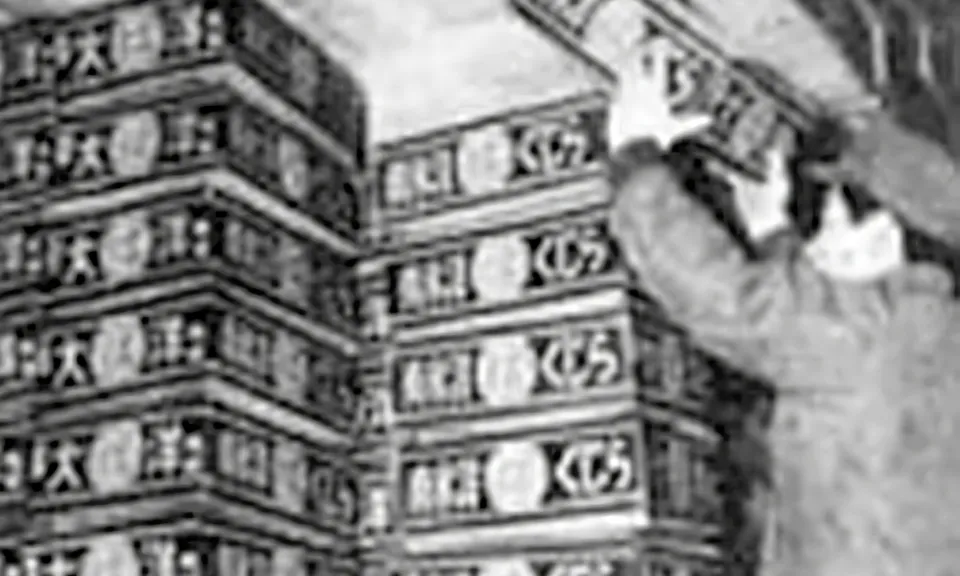
Boxes for frozen whale meat - Resumed production to meet consumer needs and developed new demand for corrugated boxes for frozen whale meat and canned foods
- Obtained a listing at stock exchange and increased capital to ¥10 million
Japan/World
- Pacific War
- Promulgation of the Constitution of Japan
- Outbreak of the Cold War
- Production to meet military demand under wartime economic control
-
1950
Sudden increase in corrugated board production together with rapid economic growth
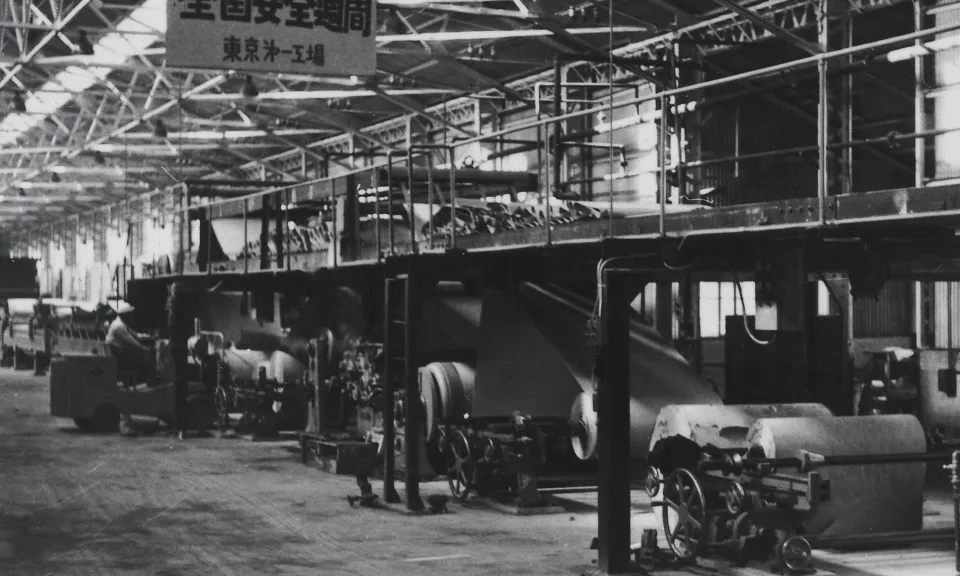
1953 A Langston corrugator began operation at Tokyo Plant I (present-day Tokyo Plant) - Corrugated boxes were increasingly used for mandarin oranges, apples, and frozen fish.
- Developed new models of corrugators and printing machines
- Modernized production equipment to meet growing demand
- Opened Research Laboratory (later, Central Laboratory)
- "Ruten" boom as Teijiro Inoue's autobiography was adapted for TV and film
Japan/World
- San Francisco Peace Treaty
- "We are no longer in the postwar period."
- Home electric appliance boom
-
1960
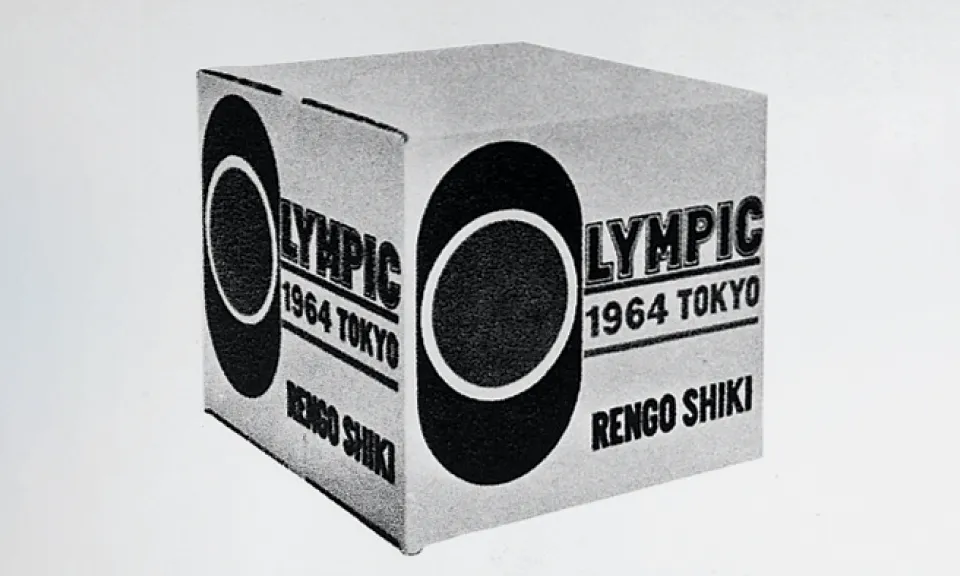
Supported the Tokyo 1964 Olympics with Rengo’s corrugated boxes - Built Tonegawa Mill, as well as new corrugated plants
- Founder Teijiro Inoue passed away (November 10, 1963)
- Introduced technology from the United States as the functions of corrugated boxes diversified
- Developed GRAVIAN and other pre-printed corrugated boxes
- Technological innovation in production facilities advanced
Japan/World
- Trade liberalization
- Tokyo Olympic Games
- Japan attains world's second largest GNP
-
1970
Renamed Rengo Co., Ltd.
Moving from specializing in corrugated packaging to become a comprehensive packaging company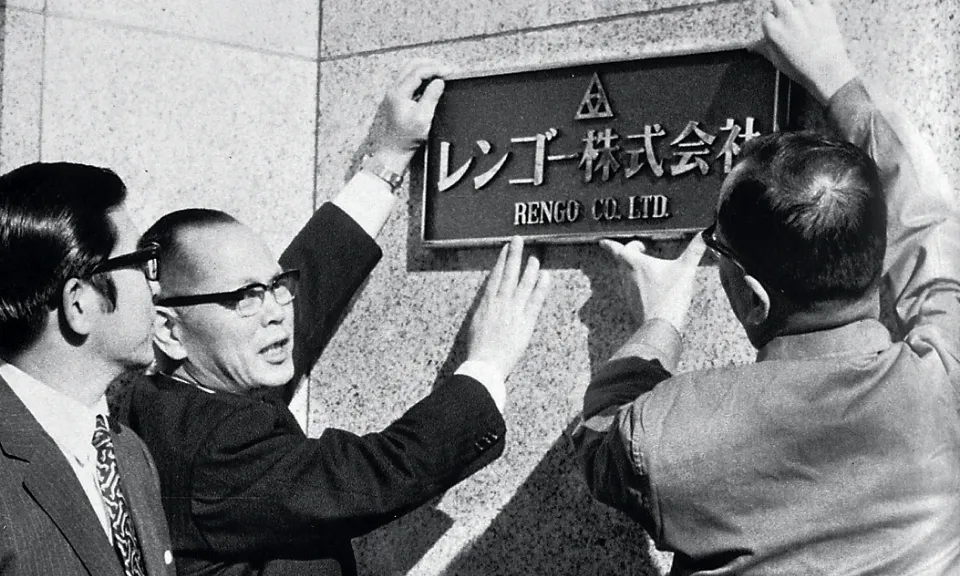
Replaced the nameplate at the Head Office - Rengo Shiki K.K. renamed Rengo Co., Ltd.
- Developed CORFLEX five-color pre-printed corrugated box
- Developed continuous running technology for corrugator operation
- Developed and commercialized "Fingerless Single Facer"
- Exported Rengo's technologies for producing paperboard and corrugated board
Japan/World
- Japan World Exposition
- Plan for the remodeling of the Japanese archipelago
- First Oil Crisis
- Second Oil Crisis
-
1980
Strengthened domestic network and expanded business overseas
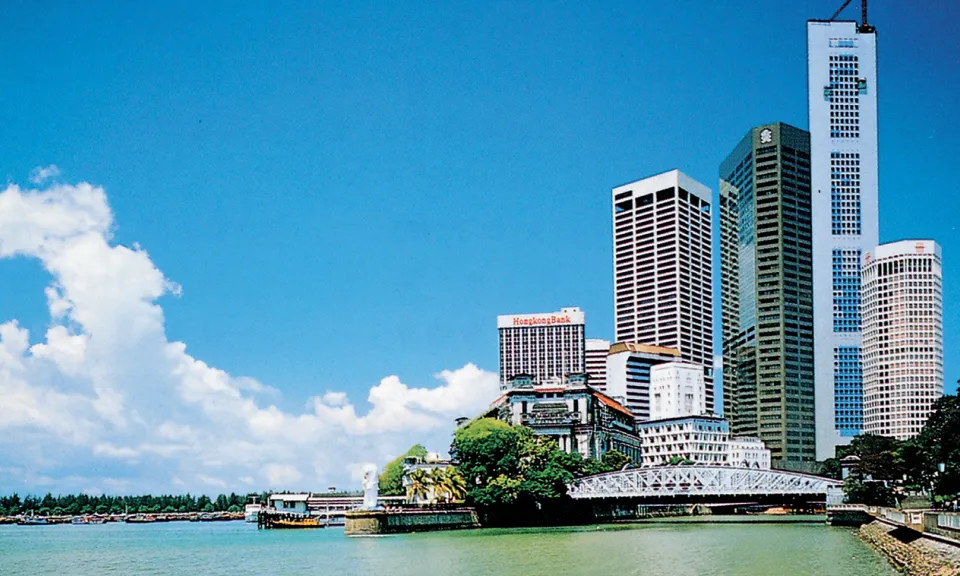
Established a base in Singapore - Built a series of new corrugated plants
- Expanded business to cover nonwovens and other peripheral areas
- Opened new office in Singapore for overseas expansion
Japan/World
- Recession caused by the strong yen
- Prolonged economic boom
- Cold War ends with collapse of the Berlin Wall
- Land and stock price boom
-
1990
Became an integrated manufacturer of paperboard and corrugated board
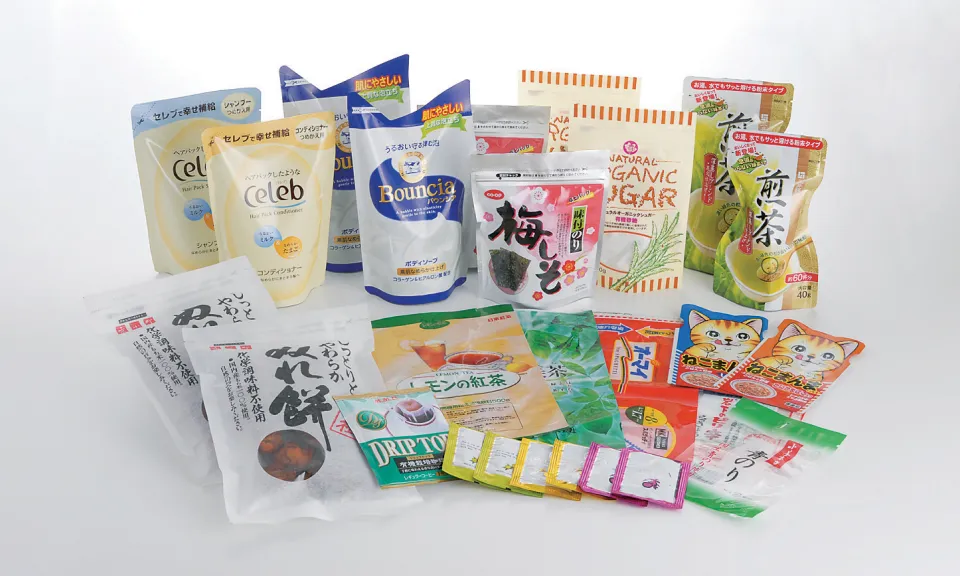
A wide variety of flexible packaging - Ventured into overseas business with Malaysia as a start
- Opened Packaging Technical Center
- Acquired Fukui Chemical Industry, an affiliated company
- Incorporated Howa Sangyo into Rengo Group to enter the flexible packaging business
- Acquired Settsu to reinforce the integrated paper and corrugated board production system
Japan/World
- End of "bubble economy"
- Multiple recessions
- Great Hanshin-Awaji Earthquake
- Creation of the euro currency
- "Lost Decade" and zero interest policy
-
2000
The Packaging Solutions Company
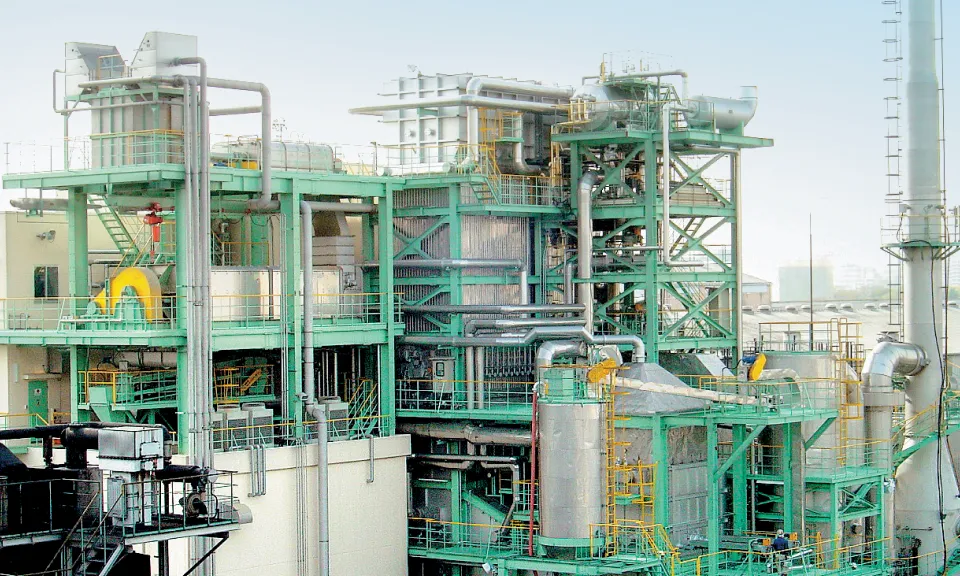
Biomass incineration power plant
(Yashio Mill)- Made Marusan Paper Mfg. Co., Ltd. a group company
- Bolstered energy conservation equipment, including biomass incineration power plant
- Merged Kawasaki Plant with Katsushika Plant to become folding carton production location on East Japan
- Installed a photovoltaic power generation system at the Kyoto Plant
- Shin-Kyoto Division commenced integrated production of corrugated board/boxes and folding cartons after merger of the Kyoto and Katsura plants
- Rengo's 100th anniversary (April 12, 2009)
- Made Nihon Matai Co., Ltd. a group company, and entered into the heavy duty packaging business
Japan/World
- "No-holds-barred structural reforms"
- Terrorist attacks on the United States
- Massive tsunami off Sumatra
- Beijing 2008 Olympic Games
- Steep rise in the prices of crude oil and other resources
- Global financial crisis
-
2010
Became the General Packaging Industry (GPI) Rengo
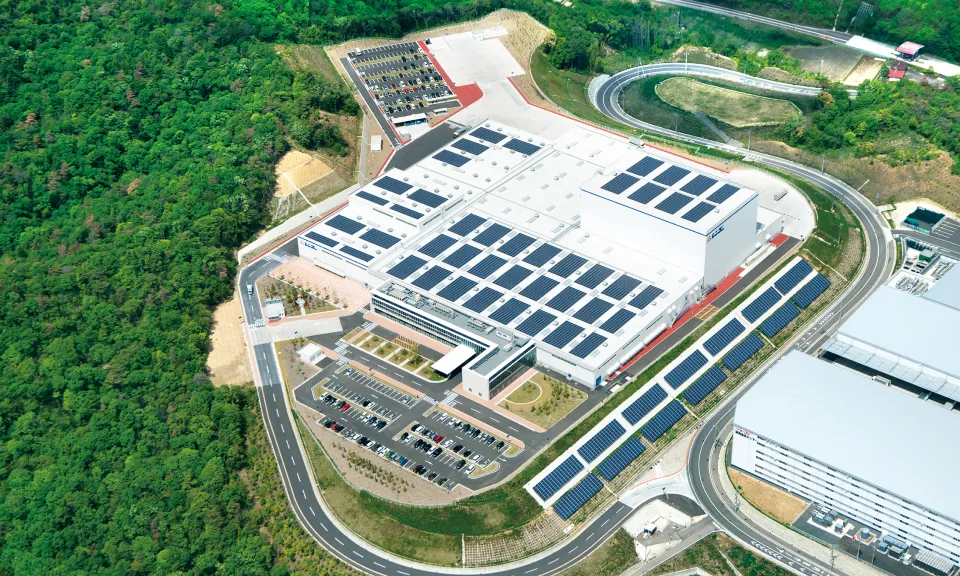
Shin-Nagoya Plant in 2014 - New paper mill, a joint venture in Vietnam, begins full-scale operation
- Completed construction of the Fukushima-Yabuki Plant which uses photovoltaic power generation to supply all the plant's daytime electricity needs
- Completed construction of the Shin-Sendai Plant in about a year after its predecessor, the Sendai Plant, suffered extensive damage in the Great East Japan Earthquake
- Completed construction of the Shin-Nagoya Plant, which features one of Japan's largest seismically isolated automated warehouses
- Completed PM8 for linerboard production at Marusan Paper Mfg.
- Made Tri-Wall Holdings Limited a group company
- Completed conversion of Kanazu Mill's PM2 to produce both corrugating medium and linerboard
- Made Toppan Containers Co., Ltd. a group company (current RG Containers Co., Ltd.)
Japan/World
- World Expo 2010 Shanghai
- Great East Japan Earthquake
- Abenomics
-
2020
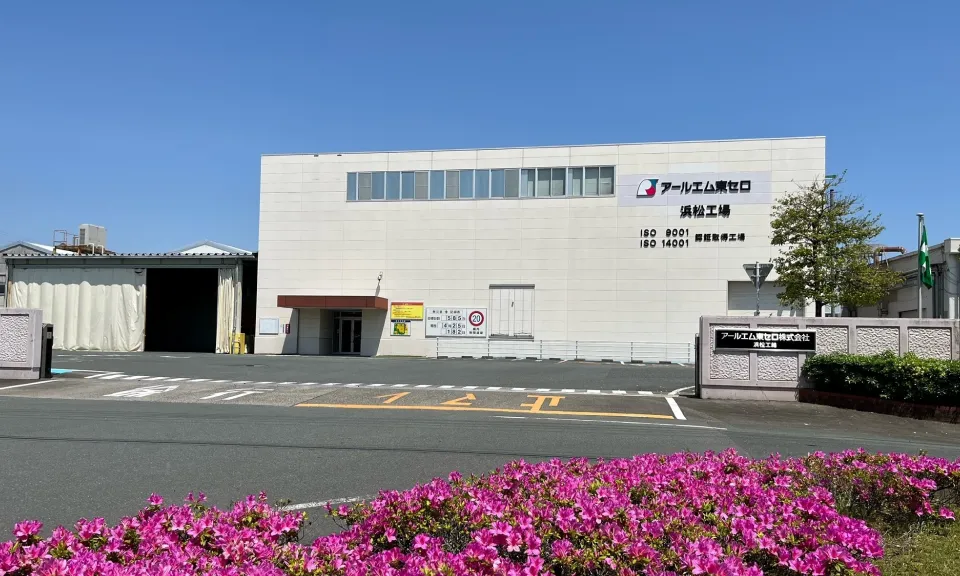
RM TOHCELLO Hamamatsu Plant - Made Taiko Paper Mfg., Ltd. a group company, and entered into the kraft pulp and kraft paper business
- Opened Yodogawa Logistics Center as a logistics center for containerboard
- Installed biomass boiler facility for power generation at Tonegawa Division
- Relocated Matsuyama Plant and established Ehime-Toon Plant
- Integrated Sun・Tox Co., Ltd. and the packaging solutions businesses of Mitsui Chemicals Tohcello, Inc., making them a subsidiary and renaming it RM TOHCELLO CO., LTD.
- Exhibited at the BLUE OCEAN DOME at Expo 2025 Osaka, Kansai, Japan
Japan/World
- Spread of COVID-19
- Tokyo 2020 Olympic Games
- Expo 2025 Osaka, Kansai, Japan